

Digital Smile Design - each smile is designed and customised to achieve natural, balanced, and functional results.
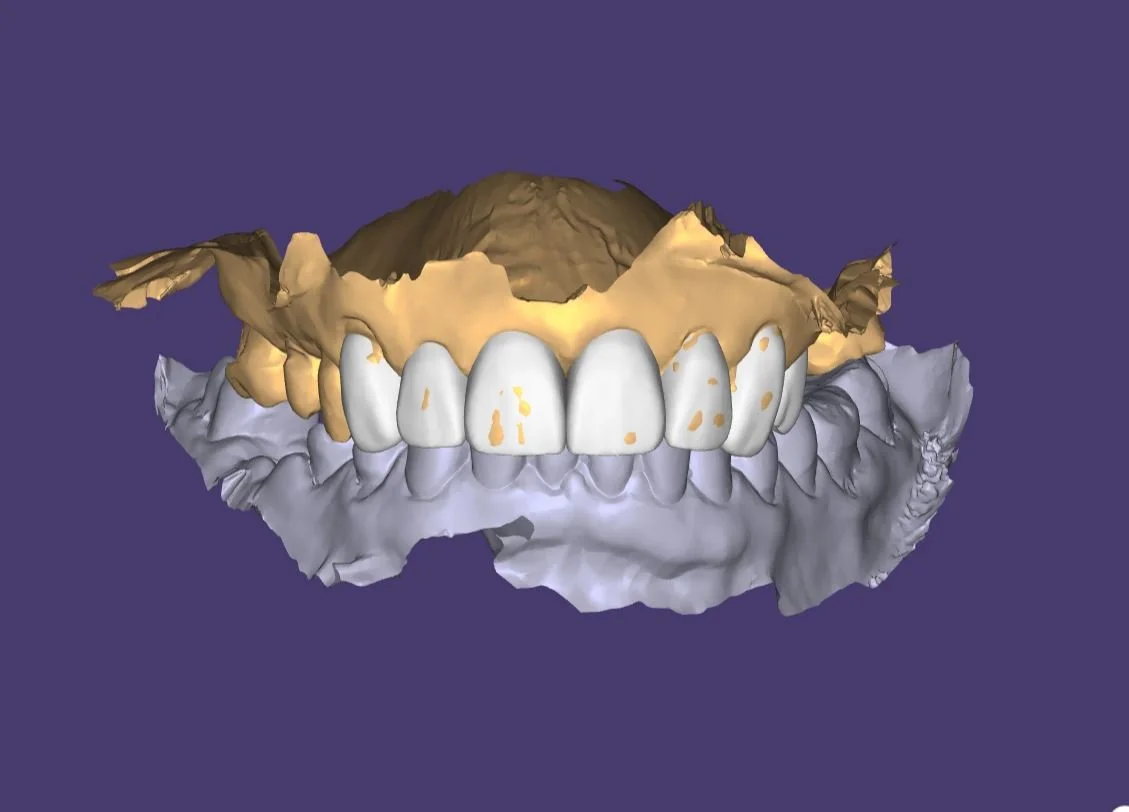
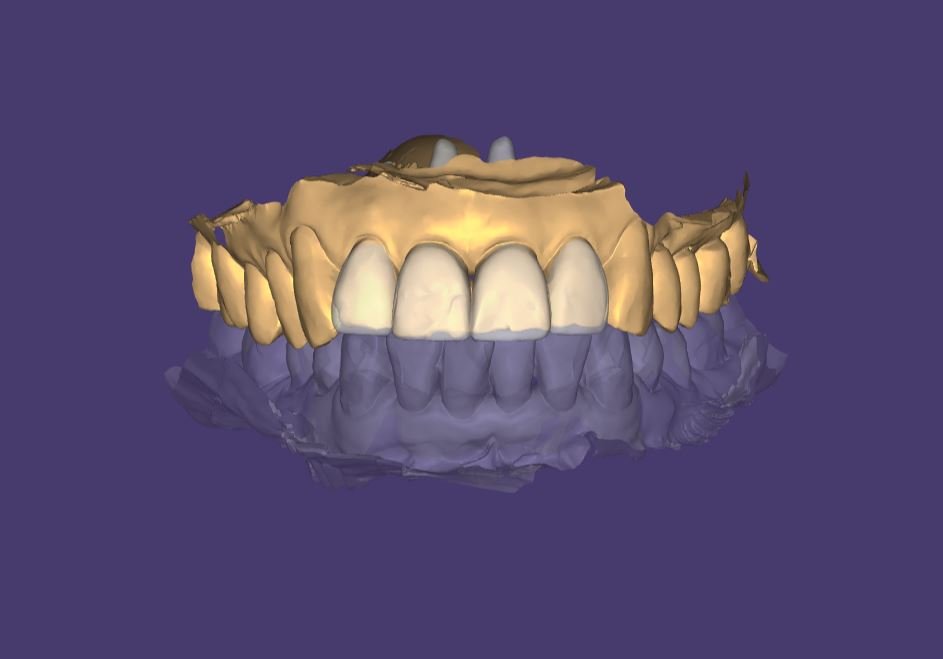
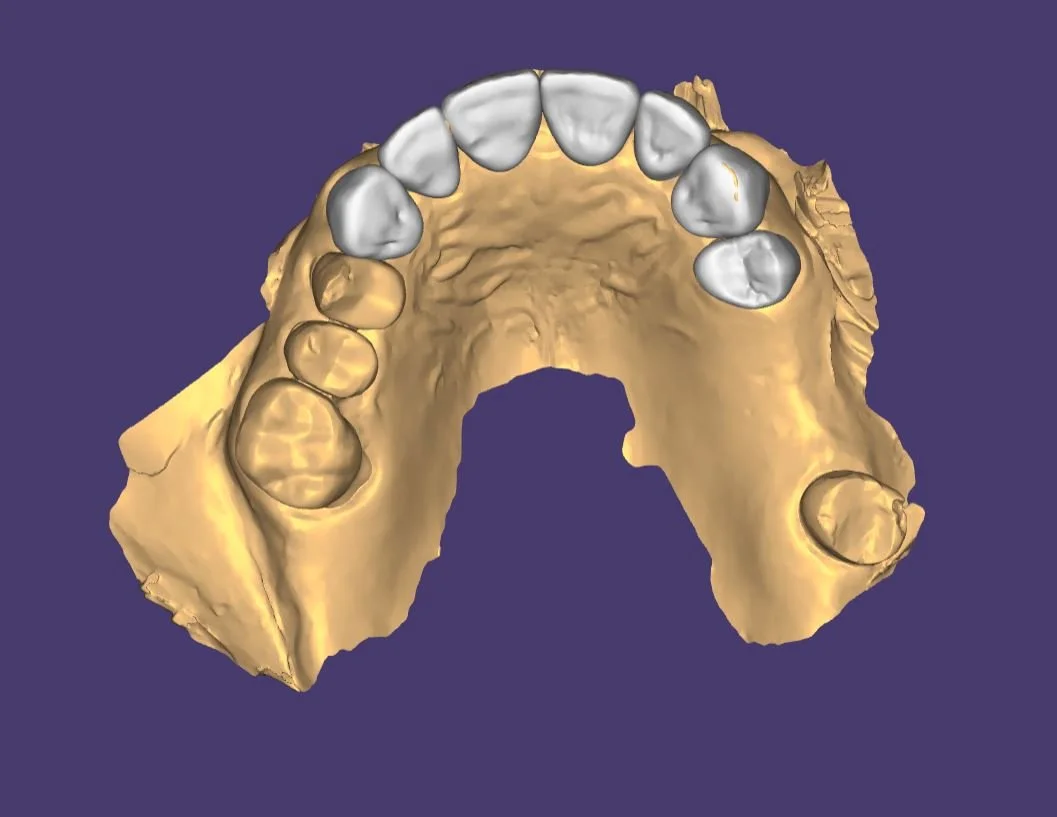
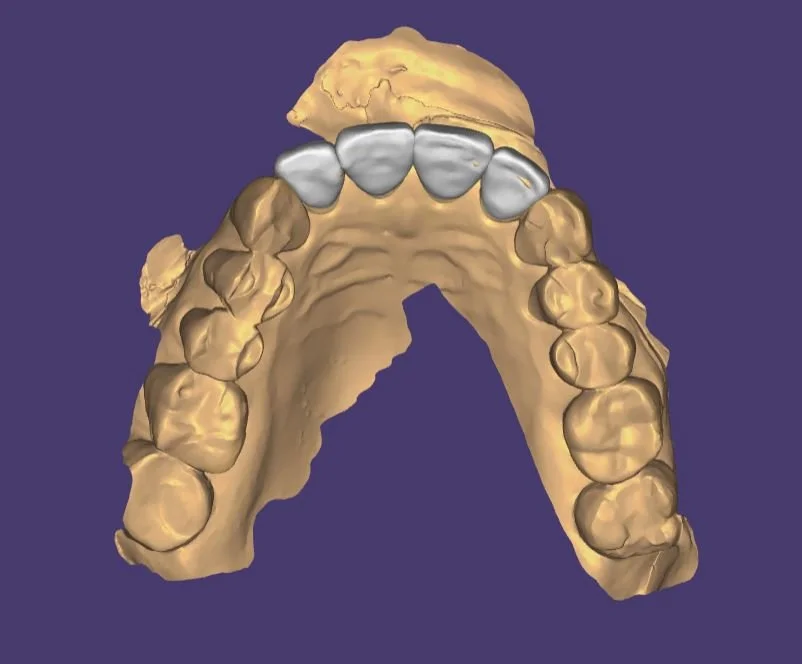
Digital Smile Design uses advanced photography and digital scans to preview your new smile before treatment, creating natural, personalised results tailored to your facial features and goals.
Frequently Asked Questions
Still have questions? Take a look at the FAQ or reach out anytime.
-
Digital Smile Design (DSD) is a digital planning process that allows you to preview your new smile before treatment begins. Using photographs, digital scans and facial analysis, your new smile is carefully designed to complement your facial features, smile and bite.
-
Yes. One of the biggest advantages of Digital Smile Design is that you can visualise your proposed smile before treatment begins. This allows you to provide feedback and make changes before any irreversible treatment is carried out.
-
Dr Ben Mar combines high-resolution photography, digital intraoral scanning and advanced smile design software to create a personalised treatment plan. Digital impressions eliminate the need for traditional impression materials in most cases and improve communication throughout treatment.
-
No. While it is commonly used for smile makeovers, Digital Smile Design is also valuable for restorative dentistry, implant planning, worn teeth, fractured teeth and full-mouth rehabilitation. It helps ensure both appearance and function are considered together.
-
Yes. One of the major benefits of Digital Smile Design is the ability to review and refine the proposed smile before treatment begins. Small adjustments to tooth shape, length, width and symmetry can often be made during the planning stage.
-
Digital planning improves communication between you, your dentist and the dental laboratory. It allows treatment goals to be clearly established before treatment begins, helping achieve more predictable, functional and natural-looking results.
-
For many patients, Digital Smile Design provides greater confidence before treatment begins. Being able to visualise the proposed outcome and participate in the planning process helps reduce uncertainty and allows more informed treatment decisions.